
Hot tub hydrotherapy uses warm water, buoyancy, and targeted jet action to ease pain, improve circulation, and speed muscle recovery through thermal and mechanical effects.
Below, we explain what hydrotherapy does, how heat and jets create measurable physiological changes, which maintenance problems reduce those benefits, and simple, practical steps San Diego owners can take to keep their spas therapeutic.
Many people use hydrotherapy for arthritis relief, post-workout recovery, stress reduction, and better sleep; this guide links those outcomes to the equipment, jets, pumps, and heaters that must work correctly. You’ll also find common fault patterns, owner checks, checklists, and guidance on when professional repair in San Diego County is the right call.
What Are the Key Benefits of Hot Tub Hydrotherapy?
Hot tub hydrotherapy produces consistent wellness benefits by combining warmth, full or partial immersion, and mechanical massage from jets. Heat raises tissue temperature and increases blood flow; jets apply mechanical stimulation that eases muscle tension; buoyancy reduces weight on joints, so movement is less painful.
The list below pairs each primary benefit with the immediate mechanism and the result you can expect.
Hot tub hydrotherapy delivers these core benefits:
- Joint and back pain relief: Warm immersion plus jets lowers joint compression and calms pain receptors to reduce pain.
- Faster muscle recovery: Increased circulation and focused jet massage help clear metabolic byproducts and reduce soreness.
- Stress relief and better sleep: Warmth encourages parasympathetic activation, lowering stress hormones and easing sleep onset.
- Improved circulation and vascular comfort: Vasodilation and mild hydrostatic pressure support venous return and peripheral blood flow.
These effects make home hydrotherapy a practical wellness tool. Understanding how each part of the system contributes helps explain why equipment condition matters for your results.
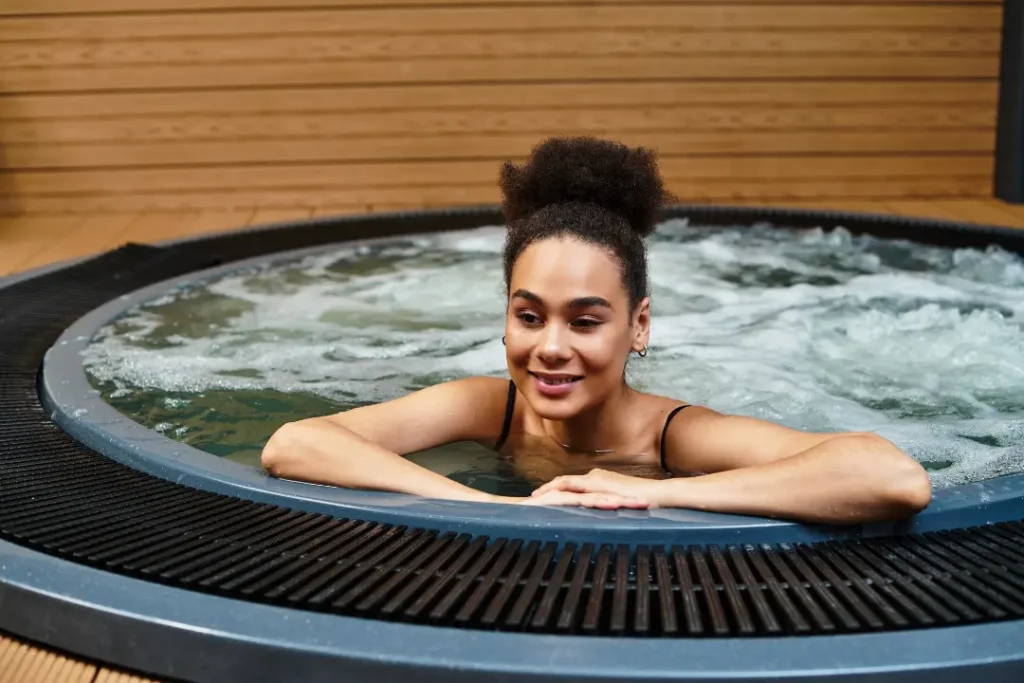
Different therapeutic goals respond best to specific hydrotherapy mechanisms. The table below helps you match soak routines and equipment settings to desired results.
| Therapeutic Target | Primary Mechanism | Likely Outcome |
|---|---|---|
| Arthritis | Buoyancy reduces load; jets loosen surrounding tissues. | Less stiffness and lower pain during movement. |
| Muscle soreness | Heat increases blood flow; jets provide targeted release. | Faster recovery and reduced delayed soreness. |
| Stress/sleep | Warmth triggers a calming parasympathetic response. | Easier sleep onset and reduced evening tension. |
| Circulation | Vasodilation plus hydrostatic pressure. | Improved peripheral perfusion and reduced swelling. |
Use this comparison to pick temperature, jet intensity, and maintenance priorities that amplify the benefits you want.
Pain Relief and Arthritis Support from Hot Tub Hydrotherapy
Pain relief from hydrotherapy comes from three complementary effects: buoyancy that lowers joint load, heat that increases tissue elasticity and reduces stiffness, and jets that stimulate soft tissue and interrupt pain signaling.
Buoyancy gives a partially weightless environment, cutting compressive forces on joints and allowing safer range-of-motion work in the spa.
Heat-driven vasodilation improves nutrient delivery and helps clear inflammatory byproducts, while jets relax periarticular muscles with focused mechanical pressure. Following safe soak practices, moderate temperatures, and reasonable session lengths lets you use these benefits while minimizing cardiovascular strain.
Muscle Recovery and Deep Relaxation with Hot Tub Therapy
After exercise, warm-water immersion increases blood flow, and jets provide targeted myofascial release that accelerates metabolic clearance and reduces muscle tone. Hydrostatic pressure and warmth together support venous return, improving nutrient delivery to tired tissues and reducing swelling.
A practical recovery routine includes a warm soak, a short period of stronger jets aimed at big muscle groups, then gradual cooling and rest. Jet condition and pump pressure determine how deeply jets work, so component health is central to recovery results.
How Does Hot Tub Hydrotherapy Work? Core Elements and Therapeutic Effects
Hydrotherapy in a hot tub depends on three core elements: heat, buoyancy, and jets, each producing distinct physiological effects that add up to therapeutic outcomes.
Heat raises tissue temperature to increase flexibility and blood flow; buoyancy reduces compressive load on joints and the spine; jets deliver mechanical stimulation that relaxes muscles and alters pain signaling.
These elements act through improved circulation, autonomic nervous system shifts, and direct mechanical release. Knowing each element’s role helps owners pick safe temperatures, jet settings, and maintenance priorities to preserve therapeutic performance.
| Element | Mechanism | Therapeutic Effect |
|---|---|---|
| Heat | Vasodilation and increased tissue elasticity | Less stiffness and better mobility |
| Buoyancy | Reduced gravitational load on joints | Easier movement and lower joint pain |
| Jets | Mechanical massage and pressure waves | Relaxed muscles and localized pain relief |
That mapping clarifies why heater reliability, pump strength, and clean jets are top maintenance priorities for sustained hydrotherapy value.
Roles of Heat, Buoyancy, and Massage Jets in Therapy
Heat increases local blood flow and connective tissue extensibility, allowing deeper, safer movement during a soak. Buoyancy reduces effective body weight, lowering joint compression and enabling gentle active therapy for arthritic or injured areas.
Jets introduce mechanical forces similar to manual myofascial techniques, helping release trigger points and relax neuromuscular tension. In practical use, moderate temperatures and alternating jet sequences combine thermal and mechanical benefits while avoiding overheating or excessive cardiovascular load.
Hydrotherapy for Circulation, Stress Reduction, and Better Sleep
Hydrotherapy improves circulation via heat-induced vasodilation and hydrostatic pressure that aids venous return, which together boost peripheral perfusion and reduce limb swelling.
For stress relief, warm immersion shifts the nervous system toward parasympathetic dominance, lowering heart rate and stress hormones and promoting relaxation.
A short, relaxing soak before bedtime can help lower core temperature afterward, a cue that supports sleep onset. When routines are consistent, and equipment performs reliably, these pathways produce measurable improvements in sleep and overall relaxation.

Why Is Hot Tub Maintenance Essential for Effective Hydrotherapy?
Yes, maintenance is critical because component condition determines whether water temperature, buoyancy comfort, and jet massage reach the levels needed for therapeutic effect.
Failing pumps, clogged jets, and unreliable heaters reduce flow, lower temperatures, and change massage patterns, all of which reduce pain relief, recovery, and relaxation.
Owners should prioritize checks for jets, pumps, and heaters and follow a simple troubleshooting flow to decide when to DIY and when to call a technician. Proactive upkeep preserves hydrotherapy performance and avoids compound failures that are more expensive to fix.
| Component | Common Failure | Impact on Hydrotherapy |
|---|---|---|
| Jet | Clogging or a worn nozzle | Weaker targeted massage and uneven pressure |
| Pump | Low pressure or noisy operation | Reduced jet force and weaker circulation effects |
| Heater | Inconsistent or no heating | Insufficient temperature for therapeutic benefit |
This diagnostic view helps owners link symptoms they see to likely component faults and prioritize the right repairs.
Jet and Pump Repairs to Restore Hydrotherapy Function
Cleaning or replacing jets and repairing or rebuilding pumps returns pressure and flow to design specs, restoring focused hydromassage that produces clinical‑style effects.
Weak jets usually show up as thin or sputtering streams and are often fixed by cleaning or replacing the nozzle; pump problems cause low flow or unusual noise and may need seals, impellers, or motor service.
Restoring correct pump pressure improves circulation assistance and jet targeting, which directly improves pain relief and recovery. If low flow or mechanical noise persists, professional service is the safest option to prevent further damage.
Common Hot Tub Issues That Reduce Hydrotherapy Benefits
Routine faults that cut hydrotherapy effectiveness include airlocks that interrupt flow, clogged jets that scatter pressure, weak pumps that reduce massage force, and heater failures that prevent therapeutic temperatures.
Owners can perform basic checks, visual jet inspection, listening for pump noise, and confirming temperature stability, to spot issues early, though some faults need a technician. Regular filter care and seasonal inspections lower the risk of these problems and keep hydrotherapy consistent and safe.
How Can San Diego Hot Tub Owners Maximize Hydrotherapy Benefits?
San Diego owners get the most from hydrotherapy by pairing sensible soak habits with a basic maintenance routine that keeps jets, pumps, and heaters operating as designed.
Key tasks include monitoring water chemistry and filters, visually inspecting jets before use, confirming temperature stability, and maintaining a scheduled service cadence for critical components.
The checklist below gives actionable owner steps to keep hydrotherapy reliable. Following these steps cuts downtime and preserves the mechanical and thermal conditions that deliver measurable wellness gains.
- Rinse or clean filters regularly to keep the flow steady and the water clear.
- Do a quick visual jet check before each use to confirm spray patterns and spot clogs.
- Listen for unusual pump sounds that may signal airlocks, cavitation, or wear.
- Verify heater performance so your soak reaches and maintains therapeutic temperatures.
Scheduling Professional Hot Tub Repairs and Maintenance
Call a hot tub specialist when symptoms point to component failure: persistent low jet pressure, loud or grinding pump noise, inconsistent heating, or unexplained leaks. Seasonal preventive inspections catch developing issues before they reduce hydrotherapy benefits.
Arrange urgent repairs if safety or therapeutic temperature is compromised, timely technician work restores flow and temperature control, and reduces the risk of cascading failures that could keep your spa out of service for weeks.
Action Spa Repair Services for Effective Hydrotherapy
Action Spa Repair offers San Diego County hot tub repair focused on restoring the jets, pumps, and heaters that hydrotherapy depends on. Services include jet replacement and cleaning, pump repair and rebuilds, heater repair and upgrades, and quick access to in-stock parts, plus a service warranty for peace of mind.
We serve as a local resource for owners, providing a fast, cross-brand experience to minimize downtime and return therapeutic function. For San Diego owners, professional repair targeted to the components discussed here is a reliable way to recover full hydrotherapy benefits.
Frequently Asked Questions
What Conditions Can Benefit from Hot Tub Hydrotherapy?
Hydrotherapy can help with arthritis, muscle soreness, stress, and sleep issues. Warmth and buoyancy ease joint pain and stiffness; jets promote muscle relaxation and recovery; and regular soaks can improve circulation and reduce stress.
It’s a versatile at‑home option for physical and mental well‑being when used safely and with properly maintained equipment.
How Often Should I Use a Hot Tub to Get Hydrotherapy Benefits?
Many people find benefit from soaking 2–3 times per week, with sessions of about 15–30 minutes, depending on comfort and health. Consistency matters more than long sessions. Always listen to your body and adjust frequency or duration as needed, and consult your healthcare provider if you have specific medical concerns.
Are There Risks to Hot Tub Hydrotherapy?
Yes, risks include overheating, dehydration, or cardiovascular strain if you stay in too long or use overly high temperatures. Keep water in recommended ranges (commonly 100°F–104°F) and limit soak times.
Pregnant people, those with heart conditions, or anyone on circulation‑affecting medications should check with a healthcare professional before using a hot tub for therapy.
What Maintenance Tasks Are Most Important for Effective Hydrotherapy?
Critical tasks are cleaning and rinsing filters, checking jets for clogs or damage, and confirming the heater holds temperature. Balanced water chemistry protects skin and equipment. Also listen for pump noise and watch for temperature fluctuations, addressing these early keeps the spa delivering therapeutic results.