
Winter is one of the best times to enjoy your hot tub, but cold weather adds extra stress to your spa. With a simple winter routine, you can prevent freeze damage, avoid surprise breakdowns, and keep energy costs under control.
In this guide, we walk San Diego hot tub owners through practical maintenance, proven freeze-prevention tactics, and easy troubleshooting steps tailored to our mild but unpredictable winters.
You’ll see how to balance water chemistry, care for filters, protect plumbing during cold snaps, plan for power outages, and decide whether to winterize or keep your spa running, all while staying safe and comfortable.
How Do You Maintain Your Hot Tub In Winter?
Winter maintenance is about protecting water quality while lowering stress on equipment exposed to colder air. Regularly checking water chemistry, filters, water level, and the cover prevents many winter problems by reducing strain on the heater and pump and limiting corrosion and scale.
A short weekly routine keeps sanitizer and pH in range, while a deeper monthly inspection of seals and components catches slow-developing issues early. Small, consistent steps now cut the risk of heater failure, leaks, or freeze damage and make emergency responses safer if conditions worsen.
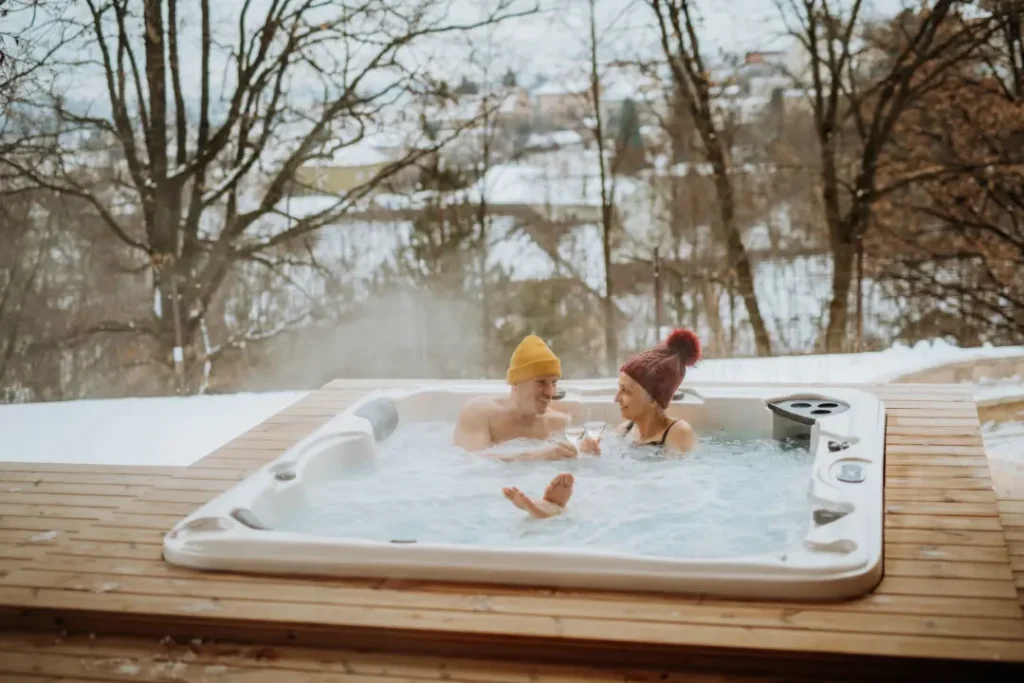
Key Winter Maintenance Tasks For Hot Tubs
Focus on water chemistry, filtration, circulation, and cover condition to avoid equipment stress and water-quality issues. Test sanitizer and pH at least weekly and keep them within manufacturer-recommended ranges; low sanitizer lets biofilm and scale form, which chokes flow and reduces heater efficiency.
Rinse or clean filters weekly to preserve circulation; clogged filters force the pump to work harder and can cause overheating or motor strain. Inspect the cover, cabinet, and seals for gaps or water intrusion that reduce insulation and increase heat loss. Repair tears or broken latches promptly. These routines protect components, extend service intervals, and lower energy use.
Essential Winter Weekly Checklist and Why It Matters:
- Test the sanitizer and pH, and adjust so the water stays safe and the equipment is protected.
- Rinse or clean filters to keep a steady flow and reduce pump workload.
- Check the water level and top up to ensure the skimmers and circulation work properly.
Keeping up with this short routine prevents small issues from turning into expensive repairs and prepares your spa for cold snaps.
Cleaning Filters And Balancing Chemicals In Cold Weather
Frequency depends on use and exposure; cold weather can concentrate contaminants and may require slightly more attention. For regular use, rinse filters every 1–2 weeks and deep-clean or replace cartridges roughly monthly or per the manufacturer’s guidance to avoid flow restrictions that strain pumps.
Test pH and sanitizer weekly and aim for steady chemistry rather than large corrections, which stress components and shorten heater life. If usage drops, don’t skip checks; low circulation plus cooler temperatures raise freeze risk and can hide developing mechanical problems, so keep the routine even during light use.
- Watch for cloudy water, reduced jet flow, or lingering odor after shocking; these are signs that filters or chemistry need attention.
- Keeping a simple log of tests and cleanings makes trends obvious and shows when a professional check might be needed.
Consistent filter and chemistry habits reduce wear on the heater and pump, and improve reliability through winter.
How Can You Prevent Your Hot Tub From Freezing In Winter?
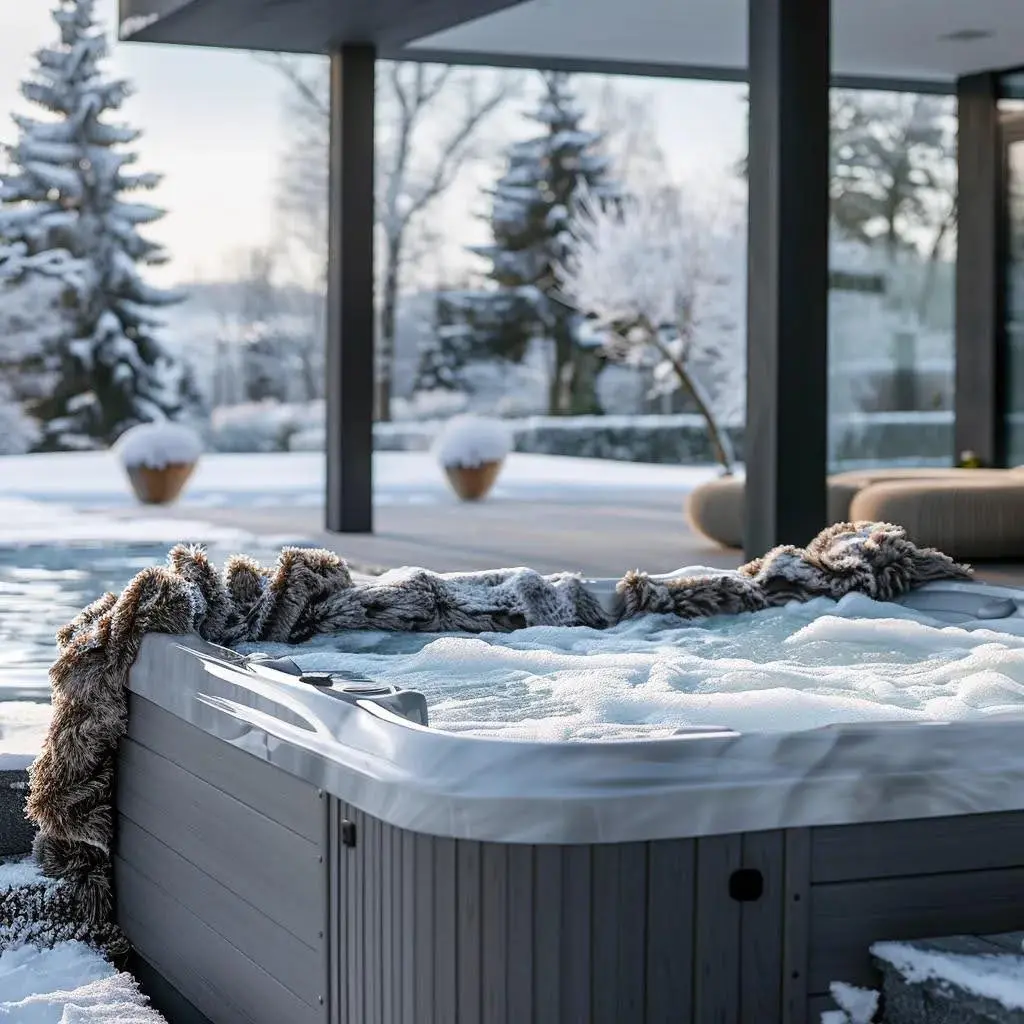
Preventing freeze damage is mainly about retaining heat and keeping water moving while reducing conductive losses with good insulation and covers. Use built-in freeze-protection modes, keep circulation running during cold nights, and choose a well-sealed, insulated cover to lower the chance of lines or the heater freezing up.
Adding cabinet insulation or a thermal blanket under the cover improves heat retention, and protecting exposed plumbing with foam or heat tape reduces vulnerable points. Plan for power outages; having a generator or simple, pre-warmed contingency steps can greatly reduce freeze risk during extended outages.
Effective Freeze Protection Methods For Hot Tubs
Layered protection works best: active circulation with thermostat control, quality insulated covers and blankets, cabinet insulation or skirting, and an emergency plan for auxiliary heat or powered circulation if power fails.
Freeze-protection mode runs pumps and heaters automatically as temperatures drop, preventing stagnant water that can freeze. A high R-value cover reduces radiant and convective losses, and a thermal blanket cuts evaporation.
Combining a good cover, an insulated cabinet, and a reliable freeze-protection mode adds redundancy and lowers the chance of damage during unexpected cold snaps.
- Prioritize continuous low-speed circulation, a high-R-value cover, and insulating the cabinet or adding a thermal blanket.
Layering these measures reduces single-point failures and gives you time to respond during sudden weather changes or outages.
Preparing For Power Outages To Avoid Freeze Damage
Outages are a major winter risk; planning ahead minimizes freeze damage while power is out. Keep the tub well-covered and insulated. If you have a generator, make sure it’s rated for spa use and installed to code by a licensed electrician.
Never run a generator indoors. If temporary power isn’t possible and the outage may be long, drain exposed external lines and, where the manufacturer allows, use spa-safe antifreeze in inaccessible piping as a last resort. After power returns, inspect components, run circulation and heaters, and check for leaks or freeze damage before you use the spa again.
Emergency outage checklist:
- Secure the cover and add insulation to the cabinet to reduce heat loss.
- If using a generator, follow safety and grounding procedures and power the pump and controls first.
- For prolonged outages, consider draining exposed plumbing and adding spa-safe antifreeze where appropriate.
What Are Common Hot Tub Problems In Winter, And How Can You Fix Them?
Winter can reveal or worsen several issues: heater failure or slow heat-up, weak circulation or noisy pumps, airlocks in plumbing, and slow leaks that get worse in cold conditions. Start your diagnosis by matching symptoms to causes and using visual checks, control-panel error codes, and simple tests like listening for pump cavitation or checking breakers.
Many fixes are straightforward: restore circulation, clean or replace filters, bleed airlocks, and check the cover. Persistent heater faults, hidden internal leaks, or freeze-cracked parts usually need a professional to avoid making things worse.
| Component | Common Symptom | Quick Check / How it Manifests |
| Heater | Slow heat-up or no heat | Check thermostat settings, any error codes, and the cover and insulation for heat loss. |
| Pump | Weak flow or loud noise | Inspect the filter, check for an airlock, verify power at the breaker, and confirm the pump is properly primed. |
| Jets | Low or uneven flow | Clean jets and filters and look for blockages and air pockets. |
| Pipes / Shell | Unexplained water loss | Visually inspect for cracks, feel for cold spots, and check the ground for pooling. |
This component map helps you prioritize safe, reversible DIY checks before calling in a technician.
Causes Of Poor Heating In Cold Weather
Heating problems in winter often come from greater heat loss, incorrect controls, or mechanical faults in the heater or thermostat. Start by checking the thermostat and any control-panel error codes, then confirm the cover and cabinet insulation. Heat loss can overwhelm an otherwise healthy heater.
Look for scale or restricted flow; poor circulation reduces heat transfer and can trip heater safety cutouts. Cleaning filters and restoring flow often fixes the issue. If the heater element or control board shows repeated faults, or you notice burnt smells or corrosion, get a professional heater diagnosis or replacement.
- Quick DIY checks: confirm thermostat setpoint, clean filters, and make sure the cover is secure.
- If those steps don’t restore heating, schedule a professional diagnosis to avoid repeat failures or freeze damage.
Acting quickly protects the heater’s life and reduces the chance of freeze-related damage to plumbing and electronics.
Identifying And Repairing Pump Or Jet Problems In Winter
Pump and jet issues show up as reduced flow, noisy pumps, or intermittent circulation, and often get worse in cold weather because water is denser and airlocks are more likely. Start with electrical checks, verify breakers and GFCIs, then clear filters and skimmer baskets to eliminate flow restrictions.
Airlocks are common in cold conditions; follow the manual to loosen bleed points or run priming cycles to release trapped air. If the pump cavitates, hums without moving water, or leaks at the seals, shut the system down and call a technician; running a damaged pump risks motor burnout.
Troubleshooting steps for pump/jet problems:
- Check breakers and GFCIs to confirm the power supply.
- Clean or replace filters and clear skimmer baskets to restore flow.
- Remove airlocks using bleed valves or pump-priming procedures.
If you suspect mechanical damage or seal failure, professional pump repair helps prevent cascading failures and protects warranties.
When To Call A Professional For Leak Detection And Repair
Call a professional when you see persistent water loss, visible cracks in the shell or plumbing, water-level drops beyond normal evaporation, or wet ground around the cabinet. Short-term DIY steps such as tightening fittings, isolating visible external leaks, and logging loss rates can slow damage, but internal leaks in heaters, pumps, or plumbing usually need specialized tools and brand-agnostic diagnostics.
Delaying repairs in winter increases freeze risk and can raise repair costs if components freeze or are exposed to cold for too long. For San Diego owners, these signs mean it’s time for a professional leak-detection service.
Action Spa Repair provides hot tub repair services. Our San Diego focus means technicians understand local winter risks and common freeze-related failures, and we keep parts on hand to speed routine repairs.
- Short-term steps before the tech arrives: log water loss, secure the cover tightly, and turn off nonessential components to limit further loss.
- Professional leak detection typically uses pressure testing, dye tests, and component isolation to find and fix the source safely.
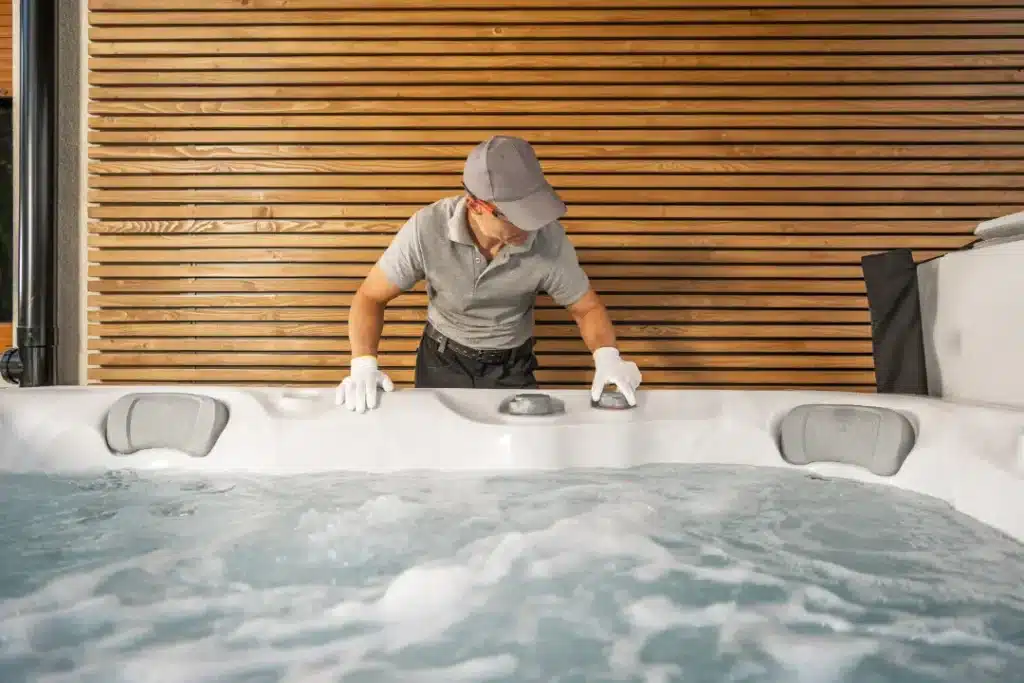
How Can You Maximize Energy Efficiency While Using Your Hot Tub In Winter?
Winter energy efficiency is about cutting heat loss and matching the temperature strategy to how you use the spa. A high-R-value cover, a thermal blanket, cabinet skirts, and intact seals reduce continuous heat loss.
Lowering the idle temperature during long gaps in use and preheating shortly before guests arrive trims heater run time without sacrificing comfort. Upgrading old pumps and heaters boosts long-term savings, but the fastest gains come from simple behavior changes and better insulation.
Best Hot Tub Covers And Insulation Options For Winter
Pick a cover for high R-value, solid construction, and a tight seal; these features reduce heat transfer and evaporation, the two biggest winter energy losses. Use a sturdy insulating cover with a thin thermal blanket beneath it to cut evaporation further.
Adding cabinet insulation or a removable skirt reduces conductive loss through the shell and eases heater workload. Replace covers with waterlogged cores or damaged seals; a degraded cover dramatically increases energy use and stresses the heater.
This comparison helps you prioritize cover choices by R-value, cost, and expected lifespan for San Diego winter conditions.
| Cover Type | Typical R-value | Typical Cost | Best-Use Scenario |
| Standard foam-core cover | 2–4 | Moderate | Occasional use and mild climates |
| High-R-value sealed cover | 6–10 | Higher | Regular winter use and colder nights |
| Thermal blanket (supplement) | 1–2 | Low | Additional evaporation control under the main cover |
Investing in a higher-R-value sealed cover usually pays off with lower heater runtime and better protection during cold snaps.
Energy Impact of Different Hot Tub Temperatures and Soak Times
Every degree of difference between water and air increases heat loss, so reducing the idle setpoint during long unused periods directly lowers heater cycles and energy use. Preheat a few hours before planned use rather than maintaining peak temperature constantly to save energy while staying comfortable.
Shorter soak times and fewer high-temperature sessions also reduce total energy. Use efficient circulation strategies, intermittent high flow for filtration, and low-speed continuous circulation for freeze protection to balance safety and economy. If your system takes a long time to heat, consider heater or pump upgrades as a longer-term efficiency fix.
Practical tips:
- Lower the idle temperature by a few degrees when you won’t use the tub for several days.
- Preheat 2–4 hours before use instead of keeping the tub at max temperature all the time.
- Pair a high-R-value cover with a thermal blanket to cut evaporative and convective losses.
These simple steps, combined with insulation improvements, deliver the most immediate energy savings without compromising safety.
When Should You Winterize Your Hot Tub Versus Keep It Running?
The choice to winterize or keep the tub running depends on climate risk, how often you use it, and how long you’ll be away. In San Diego County, winters are usually mild but can have cold snaps. If you use the spa regularly, keeping it running with proper insulation and freeze protection is often best.
If you’ll be away for weeks or you have exposed vulnerable plumbing, winterizing or arranging local maintenance checks is a smart call. Weigh the freeze risk against restart and maintenance costs; in many cases, maintaining minimal circulation and protection is the lower-risk option.
| Scenario | Key Attribute | Recommended Action |
| Regular local use | Daily–weekly usage, mild nights | Keep running with freeze protection and insulation |
| Seasonal absence | The owner is away for weeks | Consider winterizing or arranging local maintenance checks |
| Exposed plumbing | Unprotected external lines | Winterize or insulate and monitor; professional help recommended |
This table shows when winterization is protective and when maintaining the system with safeguards is a better choice for San Diego owners.
Pros And Cons Of Winterizing Your Hot Tub In San Diego
Winterizing removes water from vulnerable components and prevents freeze damage during long absences, but it brings its own tasks: trapped moisture, disturbed seals, or lost water balance can complicate restart. Pros include removing freeze risk for unoccupied properties and peace of mind on long trips.
Cons include the time and cost to winterize properly and the careful re-commissioning required to protect warranties and components. For seasonal or vacation properties in San Diego, winterizing often makes sense; for owners who use their spa through winter, insulation and maintaining minimal circulation usually works better.
Pros and cons:
- Pro: Removes freeze risk for extended vacancies.
- Con: Requires a careful restart to avoid component damage.
- Pro: Lowers the chance of a severe pipe freeze in unmonitored properties.
Match your decision to your usage patterns and exposure to choose the safest approach.
Proper Winterization Steps To Prevent Hot Tub Damage
Follow a clear checklist: drain the shell and lines, blow out plumbing to remove trapped water, use spa-safe antifreeze only where the manufacturer permits, and store the cover and removable components securely.
Disconnect power per the manufacturer’s instructions and label electrical connections to simplify restart. Some tasks, such as full line blowing and ensuring heaters and controls stay dry, are best done by professionals to avoid warranty issues or accidental damage. Keep documentation and set a reminder for professional re-commissioning before the next season.
Winterization steps:
- Drain the spa completely and remove and store the filter.
- Blow out and plug lines, and add spa-safe antifreeze where appropriate.
- Securely cover and label components for an organized, safe restart.
If you’re unsure about manufacturer-specific steps, hire a professional winterization service to ensure warranty-compliant, safe procedures.
Why Choose Action Spa Repair For Your Winter Hot Tub Maintenance And Repairs?
Action Spa Repair is a San Diego County hot tub company experienced with winter-specific problems like leaks, heater failures, pump issues, and jet faults. We service all major brands and offer system upgrades and custom cover solutions to improve insulation and energy performance.
Thanks to our in-house parts warehouse and warranty-backed repairs, we help San Diego owners reduce downtime and protect their spas through winter.
Winter Repair Services Action Spa Repair Offers In San Diego
Our winter services match common cold-weather failures: heater repair and replacement for slow or failed heat-up, pump and motor repairs for noisy or non-circulating systems, leak detection and repair for internal and external plumbing, jet repairs and balancing, plus system upgrades and custom covers to boost insulation.
We’re brand-agnostic, so we can service most major hot tub models and cut the need to hire multiple contractors. In winter, these services help owners move from symptom to repair quickly and reduce the window for freeze damage.
- Heater failure → professional heater diagnosis and repair.
- Leak signs → targeted leak detection and waterproofing repairs.
- Pump noise or low flow → pump inspection and repair or replacement with on-hand parts.
These offerings help owners resolve winter-specific failures efficiently and restore safe operation.
How Action Spa Repair Ensures Fast And Reliable Winter Hot Tub Service
We emphasize quick, efficient service backed by a local parts inventory, so common components are available for faster turnaround. Our warranty gives extra confidence that repairs are done correctly, and our San Diego focus means technicians know regional winter patterns and freeze risks.
For owners worried about downtime, local parts and brand-agnostic experience shorten diagnostic and repair cycles so your spa spends less time at risk.
- To schedule diagnostics or repairs, contact Action Spa Repair through our website or request a service visit to assess winter-specific risks and recommended fixes.
Our service options complement the preventive guidance here, giving you a professional solution when DIY steps aren’t enough.
Frequently Asked Questions (FAQs)
How Can I Ensure My Hot Tub Remains Safe During Power Outages In Winter?
Have a clear plan: keep the tub well-insulated and covered, and use a generator that’s rated for spa equipment and installed to code by a licensed electrician. For long outages, drain exposed plumbing and, where allowed by the manufacturer, add spa-safe antifreeze to inaccessible lines. After power returns, inspect the system, run circulation, and check for leaks before using the spa again.
What Should I Do If My Hot Tub Is Not Circulating Water Properly In Winter?
Start with the basics: check and clean or replace the filter, inspect the pump for unusual noises or leaks, and make sure the skimmer and intake are clear. Airlocks are common in cold weather. Bleed the system per the manual or run a priming cycle to release trapped air. If these steps don’t fix it, call a professional for a deeper diagnosis.
What Maintenance Tasks Should I Prioritize During The Winter Months?
Prioritize water chemistry and system efficiency: test and balance sanitizer and pH regularly, clean or rinse filters weekly, and inspect the cover and seals for damage. Also, check for leaks or mechanical issues early; catching problems sooner prevents more costly repairs.
How Can I Tell If My Hot Tub Is Properly Insulated For Winter Use?
Check your cover’s R-value; higher is better, and inspect it for waterlogging or broken seals. Make sure the cabinet has insulation, and there are no gaps where cold air can enter. If you notice big heat loss or rising energy bills, consider upgrading the cover or adding cabinet insulation.
Book Your Winter Hot Tub Check with Action Spa Repair
Don’t wait for a cold snap to expose a hidden problem. If you’re in San Diego County and you’ve noticed slow heating, leaks, noisy pumps, or just want peace of mind before winter, Action Spa Repair is ready to help.
Our techs service all major hot tub brands, handle heater, pump, jet, and leak repairs, and our local parts inventory keeps downtime to a minimum. Schedule your winter hot tub inspection or repair with Action Spa Repair today and make sure your spa is protected from freeze damage, running efficiently, and ready whenever you want to use it.