
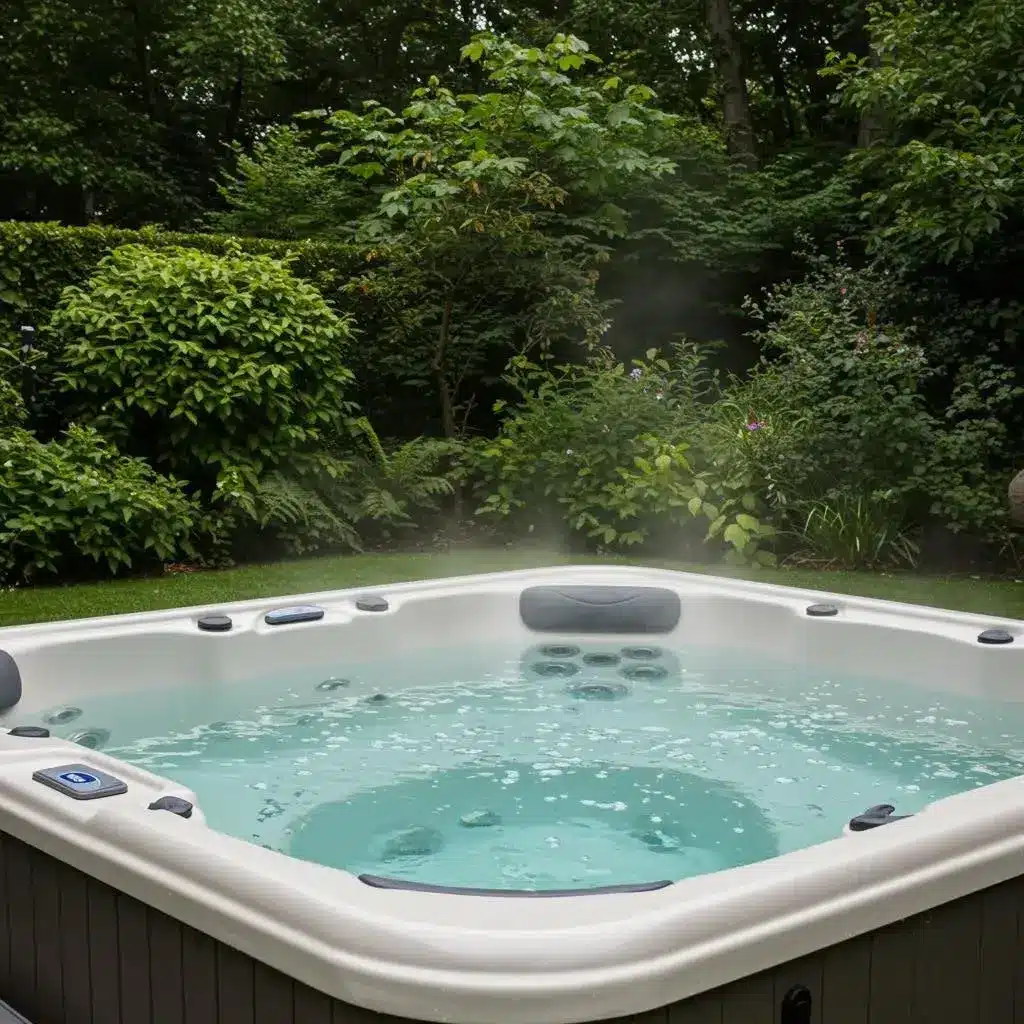
Mildew in your hot tub shows up as dark spots, slimy film, or a musty smell and thrives in warm water, organic residue, and poor sanitization. This guide explains why mildew develops, how to spot surface versus plumbing growth, and safe DIY ways to remove it.
You’ll learn which products to use, how to protect yourself, and how to clean shells, covers, filters, jets, and plumbing. We’ll also cover basic water chemistry, simple maintenance routines, and when it’s time to call a professional in San Diego County so you can prevent damage and protect your health over the long term.
What Triggers Mildew in Your Hot Tub and How to Spot It Early?
Mildew in a hot tub usually stems from a mix of poor water chemistry, low sanitizer levels, and stagnant circulation that allows biofilm to form on surfaces and within plumbing. Warm temperatures and organic contaminants, like skin oils, lotions, and debris, fuel fungal growth, while neglected covers and dirty filters trap moisture and spores.
Early identification of mildew can prevent deeper plumbing contamination and minimize the need for repairs. When diagnosing mildew, keep an eye out for visual, tactile, and olfactory clues that differentiate fungal growth from other contaminants.
Early detection relies on routine checks after use and following heavy bather loads, as mildew often starts in hidden spots before spreading. Regular, focused inspections can help prevent mildew from migrating into jets or plumbing lines. The next sections highlight common signs and key areas where mildew tends to hide, enabling you to target your cleaning efforts effectively.
Common Indicators of Mildew and Mold in Hot Tubs
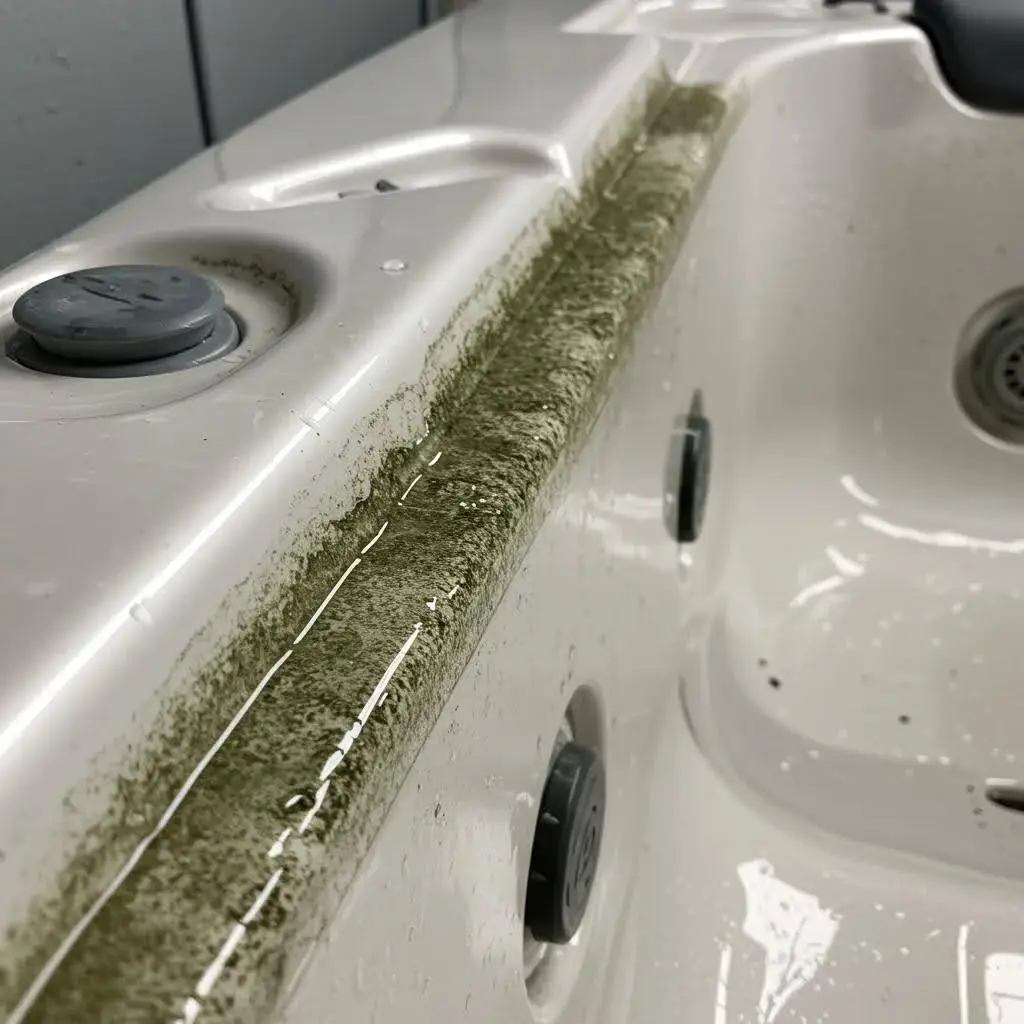
Mildew typically appears as discolored spots, a slimy film, or a persistent musty odor that lingers even after basic sanitizing attempts. You might notice black or green specks along the waterline, staining in seams, or a slippery residue on the shell that wipes away but quickly returns; these are visual and tactile indicators.
A musty smell that persists despite shocking and filtering often points to deeper contamination in filters or plumbing rather than just a surface issue. Recognizing these signs early helps you decide whether to focus on surface cleaning or a full plumbing purge.
Assessing severity involves simple tests: scrub a small area with a spa-safe cleaner and see if growth returns, rinse a filter and check for embedded organic matter, and run a filtration cycle while watching for dislodged particles.
If visible spots reappear quickly or odors persist after shock treatment, the issue is likely biofilm within jets or plumbing, which may require more intensive remediation. These checks will guide you on whether to proceed with DIY steps or call a technician.
Hot Tub Components Most Susceptible to Mildew Growth
Some components create ideal microenvironments for mildew: the cover, especially if foam or vinyl traps moisture under a closed lid; filters that accumulate oils and organic debris; and jets or low-flow plumbing areas where circulation is weak.
Seams, headrests, and behind removable pillows also trap moisture and debris, allowing fungal colonization to occur out of sight. Plumbing and jets are particularly troublesome because biofilm there resists standard sanitization and often requires enzymatic purge products or mechanical agitation to remove.
Understanding where mildew forms helps prioritize your cleaning efforts and determine if a targeted plumbing purge is necessary. If hotspots are limited to the cover or shell, surface cleaning and improved ventilation may be sufficient; however, if jets or internal lines show recurring contamination, deeper intervention is required. The following section outlines safe DIY removal steps for both surface and plumbing scenarios.
How Can You Safely Remove Mildew from Your Hot Tub on Your Own?
Effective mildew removal starts with a solid plan: power down electrical equipment, drain the tub, protect yourself with gloves and eye protection, and gather spa-safe cleaners and purge products suitable for plumbing.
A systematic approach—clean the shell, clean the cover, clean or replace filters, run a plumbing purge, then rebalance water chemistry—reduces the chance of recurrence and safeguards your equipment.
Always choose non-abrasive tools and products labeled safe for spa surfaces to avoid damaging the shell or components. If contamination persists or equipment malfunctions at any point, consider a professional inspection for pumps, jets, or internal plumbing.
Below are step.by.step procedures for shell cleaning, along with a separate section for covers, jets, and plumbing to keep tasks organized and safe. These steps include approximate timeframes and troubleshooting tips so you can complete the job in stages and assess results before refilling.
Step-by-Step Instructions for Cleaning Hot Tub Surfaces and Shells
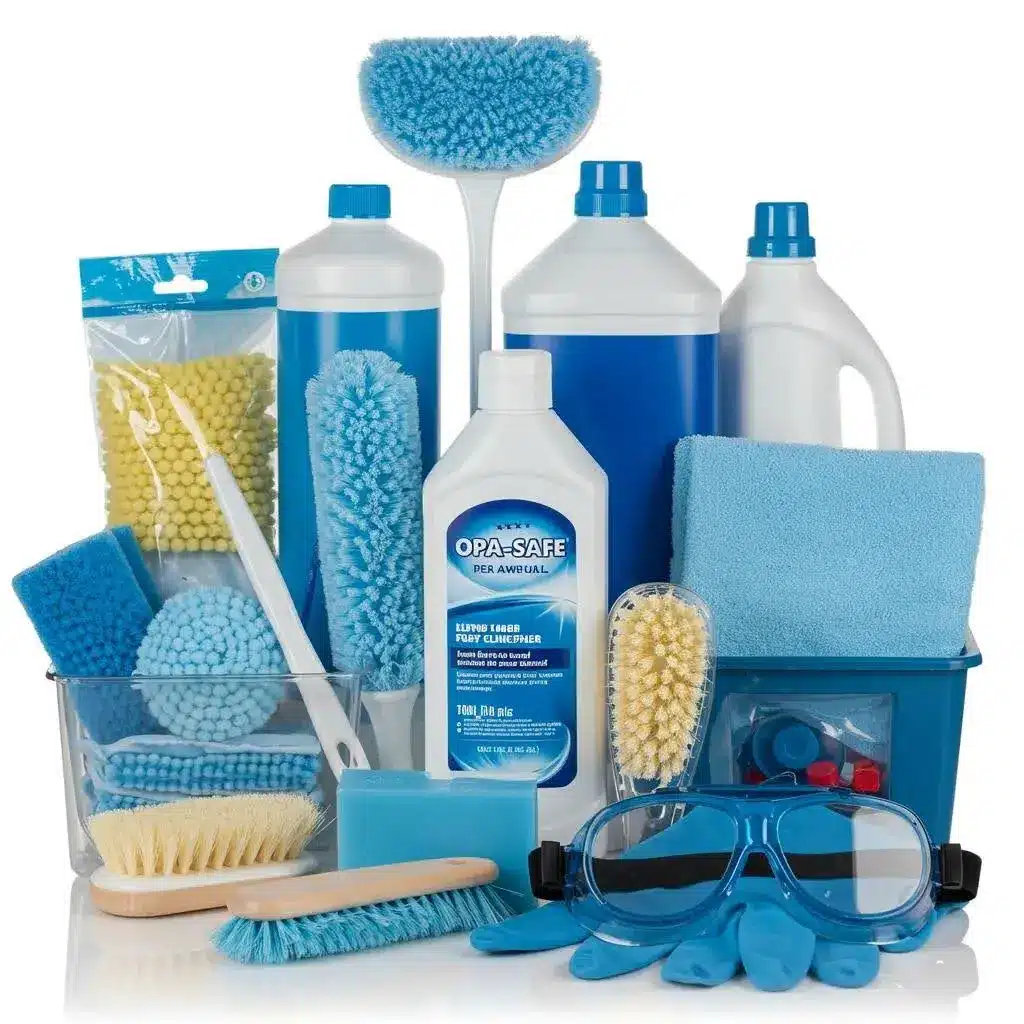
Start by turning off the power at the breaker and fully draining the tub to expose the shell surface; this prevents electrical hazards and allows for concentrated cleaning. Use a spa-safe, non-abrasive cleaner and a soft brush to eliminate visible mildew, working in small sections and rinsing thoroughly between passes.
Allow the shell to air-dry after cleaning and inspect seams, skirting, and areas around fittings for any residual staining; repeat targeted cleaning if spots persist. After shell work, refill and rebalance water chemistry, then shock and monitor sanitizer levels for several days to ensure mildew does not return.
If stubborn stains remain after repeated cleaning, avoid aggressive solvents that could damage the shell; instead, consider a professional assessment, as deep stains or recurring spots may indicate underlying plumbing biofilm or surface damage.
Proper drying and ventilation after cleaning minimize the chance of immediate recolonization and prepare the spa for safe use again-Supplies overview: the following table lists key DIY supplies and their recommended applications so you can gather materials before starting.
| Supply | Purpose | Recommended Use |
|---|---|---|
| Spa.safe surface cleaner | Eliminates shell stains and surface mildew | Apply as directed, scrub gently, rinse thoroughly |
| Soft nylon brush | Mechanical agitation without scratching | Use on seams and textured areas |
| Protective gloves & goggles | Personal safety when handling chemicals | Wear during all cleaning and purging steps |
Gathering these supplies in advance speeds up the cleaning process and reduces the risk of ineffective spot treatments. Using the right tools and cleaners preserves equipment while addressing the underlying contamination.
Cleaning Hot Tub Covers, Jets, and Plumbing to Eliminate Mildew
To clean covers, start by removing loose debris, washing with a mild, pH-neutral cleaner or a dedicated cover cleaner, and allowing them to dry completely in sunlight or a well-ventilated area; trapped moisture inside covers is a common source of mildew.
For jets, remove accessible jet faces and soak them in a spa-safe cleaner or run a manufacturer-recommended cleaning cycle to dislodge deposits; use a soft brush for any visible buildup.
Plumbing requires a specialized purge product circulated according to instructions to break down biofilm; run the pump on circulation for the recommended duration, then drain and flush the lines thoroughly.
If you still notice odors or recurring film after purging, the plumbing may harbor persistent biofilm or the pump may need servicing; these scenarios are common reasons to consult a professional. Properly cleaning covers, jets, and plumbing reduces the risk of recontamination and enhances sanitizer efficacy when you refill and rebalance water.
What Are the Best Products and Methods for Hot Tub Mold and Mildew Treatment?
Selecting the right treatment strikes a balance between effectiveness and safety for spa surfaces and internal equipment. Spa-safe cleaners and enzymatic purge products are designed to eliminate organic film without corroding pumps, heaters, or seals, while household bleach and vinegar can be effective in specific, controlled uses but carry risks when misapplied.
An informed approach uses surface cleaners for shells and covers, enzymatic or chemical purges for plumbing, and targeted shock treatments to restore sanitizer levels after cleaning. Below is a comparative table to clarify options and when to choose them.
The table below compares common cleaning agents by effectiveness, equipment compatibility, and recommended use to help you select the safest, most appropriate approach for your situation.
| Cleaner | Equipment Safety | Best Use Case |
|---|---|---|
| Vinegar (diluted) | Safe for many covers and some surface stains | Mild surface cleaning and deodorizing |
| Diluted household bleach (controlled use) | Can damage vinyl and some components if not rinsed | Short-term heavy stain removal on non-porous areas only |
| Spa-safe enzymatic purge / specialized cleaner | Designed for pumps, jets, and plumbing | Best for biofilm removal and plumbing purge |
This comparison shows that while household agents can sometimes be effective, spa-specific enzymatic products are generally the safer and more reliable choice for internal plumbing and long-term protection. Always use cleaners according to manufacturer guidance and ensure thorough rinsing or flushing after treatment.
Using Vinegar, Bleach, and Spa-Safe Cleaners for Mildew Removal
Vinegar is a mild acid that can effectively remove light surface mildew on covers and non-porous shell areas, but is limited against entrenched biofilm and should be diluted and rinsed thoroughly.
Bleach is a powerful disinfectant but can damage vinyl covers, foam inserts, and metal components if used in too high a concentration or without thorough flushing; avoid frequent or heavy use of bleach on spa equipment.
Spa-safe cleaners and enzymatic purges are formulated to break down organic material and biofilm without harming pumps, seals, or heater elements, making them the preferred first choice for plumbing and jet sanitation.
When using any product, adhere to safety measures: ventilate the area, never mix chemicals, use protective gear, and conduct test patches on inconspicuous areas to confirm compatibility. Opting for the gentlest effective option preserves equipment life while effectively addressing mildew.
Water Chemistry for Mildew Prevention and Treatment
Water chemistry governs sanitizer effectiveness and directly impacts mildew risk: maintaining target sanitizer levels, balanced pH, and proper alkalinity prevents biofilm formation and helps sanitizers penetrate organic films.
Typical target ranges support sanitizer activity and reduce the likelihood that low-chlorine or low-bromine windows allow fungal growth; frequent testing after cleaning confirms that shock treatments and routine sanitizer dosing are effective. After any deep clean or purge, retest and rebalance pH, alkalinity, and sanitizer levels, then perform a shock treatment to oxidize residual organics and set a fresh sanitizing baseline.
Consistent monitoring and adjustments close the window where mildew can reestablish and protect equipment from repeated contamination. Good chemistry combined with physical cleaning eliminates both the habitat and the food source that mildew needs to thrive.
How Do You Prevent Mildew from Coming Back in Your Hot Tub?
Prevention involves a blend of routine water testing, filter maintenance, cover care, and periodic deep cleaning to disrupt biofilm formation and reduce fungal spores. A predictable schedule of daily or weekly checks prevents small issues from becoming entrenched plumbing problems, while monthly filter cleaning and quarterly purge cycles help keep jets and lines clear.
Proper cover ventilation, prompt debris removal, and immediate responses to low sanitizer readings are simple practices that significantly lower mildew risk. The table and checklist below provide a practical maintenance schedule you can follow.
Establish a clear maintenance schedule that aligns components with recommended frequency and concise actions so you can implement an effective routine without second-guessing.
| Component | Recommended Frequency | Action |
|---|---|---|
| Water test & sanitizer check | Weekly | Measure pH and sanitizer, adjust as needed |
| Filter cleaning | Monthly | Remove, rinse, and use filter cleaner if needed |
| Drain and deep clean | Quarterly/biannual | Fully drain, clean the shell, purge plumbing if necessary |
This schedule provides a straightforward framework to prevent mildew and maintain effective sanitizer control between deeper service intervals. Consistent adherence reduces the workload over time and helps avoid costly equipment repairs later.
Simple daily and weekly habits are easy to follow yet have a significant impact on mildew control:
- Wipe the waterline and skim debris after each use to quickly eliminate organic buildup.
- Test and adjust sanitizer levels weekly to maintain consistent microbial control.
- Store and ventilate the cover properly, and open it periodically to allow trapped moisture to escape.
These straightforward habits work together to keep your hot tub environment inhospitable to mildew and protect internal components from repeated contamination. Implementing this routine reduces both health risks and potential repair needs.
Ideal Hot Tub Maintenance Schedule to Prevent Mildew
An effective schedule combines frequent small tasks with periodic deep maintenance: daily wiping and skimming, weekly testing and sanitizer adjustments, monthly filter cleaning, and quarterly or biannual drain-and-deep-clean cycles with plumbing purges as needed.
This rhythm prevents organic buildup from reaching levels that allow biofilm to mature inside plumbing and jets. Scheduling professional inspections annually, or sooner if problems recur, helps catch hidden issues that routine homeowner maintenance may overlook. Following this schedule keeps sanitizer systems effective and diminishes the conditions that mildew needs to thrive.
If you stick to this schedule and still encounter recurring mildew, it often points to plumbing or equipment issues such as weak circulation or compromised seals; that situation typically calls for professional diagnostics. The next section specifically addresses cover care, as covers often contribute to recurring mildew problems.
Caring for and Maintaining Your Hot Tub Cover to Prevent Mold
Hot tub Covers should be cleaned monthly with a pH-neutral cleaner, rinsed, and allowed to dry completely to prevent trapped moisture and mildew growth between uses. Inspect cover seams and the underside for water intrusion; repair or replace insulation layers if they retain moisture.
Use a breathable cover lift or occasionally air out the cover to reduce condensation buildup, and apply UV protectants recommended for your cover material to extend its lifespan and resist degradation. A compromised cover not only fosters mildew but also undermines the spa’s energy efficiency and invites repeated contamination.
Replacing or repairing a failing cover is often more cost-effective than repeatedly treating recurring mildew, as a sound cover serves as a primary line of defense against environmental contamination. Proper cover maintenance complements water chemistry and filter care to create a comprehensive prevention strategy.
Frequently Asked Questions (FAQs)
What Are the Long-Term Effects Of Mildew Exposure From Hot Tubs?
Long-term exposure to mildew in hot tubs can lead to various health issues, particularly for sensitive individuals. Skin irritations, rashes, and respiratory problems are common, especially among children, the elderly, and those with compromised immune systems. Continuous exposure may exacerbate allergies and asthma, leading to chronic coughing or wheezing. It’s crucial to address mildew promptly to minimize these health risks and ensure a safe bathing environment for all users.
How Often Should I Perform Deep Cleaning on My Hot Tub?
Deep cleaning your hot tub should be done quarterly or biannually, depending on usage. This process includes draining the tub, cleaning the shell, and purging the plumbing to remove biofilm and contaminants.
Regular deep cleaning helps maintain water quality and prevents mildew buildup. Additionally, monthly filter cleaning and routine water testing are essential to keep the hot tub in optimal condition and reduce the risk of mildew recurrence.
Can I Use Essential Oils in My Hot Tub Without Causing Mildew?
While essential oils can enhance the hot tub experience, they may contribute to mildew growth if not used carefully. Oils can create a film that traps moisture and organic debris, fostering an environment for mildew.
If you choose to use essential oils, ensure they are spa-safe and use them sparingly. Regular cleaning and maintenance are crucial to prevent any buildup that could lead to mildew issues.
What Should I Do if I Notice Mildew Returning after Cleaning?
If mildew returns after cleaning, it may indicate deeper issues within the plumbing or inadequate cleaning methods. First, ensure that your cleaning process is thorough and that you are using appropriate spa-safe products.
If the problem persists, consider performing a plumbing purge with specialized products designed to break down biofilm. If these measures fail, it may be time to consult a professional for a comprehensive inspection and remediation.
Stop Letting Mildew Win: Get Your Hot Tub Back on Track with Action Spa Repair
You’ve seen the dark spots, felt the slimy film, and smelled that musty odor long enough. If mildew keeps coming back even after you drain, scrub, and shock, it’s usually a plumbing or circulation problem hiding in your jets and lines, not your imagination.
Action Spa Repair can handle the deep hot tub repair work for you: plumbing purge, jet and equipment inspection, and a prevention plan tailored to how you actually use your spa. You relax, we deal with the biofilm.
Visit Action Spa Repair today to schedule your mildew inspection and protect your hot tub before a simple fungus turns into a major repair